Multiple Sclerosis (MS) Awareness Month. In our Colorado Springs chiropractic practice, where we emphasize the connection between the nervous system and overall health, it's a good time to delve into some intriguing aspects of this complex disease.
MS is a severe disorder of the central nervous system that impairs communication between the brain and body, often resulting in symptoms such as chronic pain, muscle weakness, dizziness, headaches, and vision problems. It is classified as a demyelinating disease because it damages myelin, the protective sheath around nerve cells that facilitates fast and effective electrical signaling through the spinal cord and nerves. MS is distinct in that it is both chronic and relapsing. It is thought to be caused by an autoimmune response in which the body's immune system attacks its own nerve tissue, leading to the formation of plaques that are detectable through advanced imaging in the brain and spinal cord, particularly in the cervical spine. Another diagnostic feature includes the presence of oligoclonal bands in the cerebrospinal fluid (CSF), which introduces some fascinating theories about the upper neck.
Although the exact cause and cure for MS remain unknown, there are intriguing considerations regarding its onset. Historical cases have explored a potential link between head and neck injuries, such as whiplash, and the development of MS. Some of these cases have resulted in substantial court settlements. While a direct causal relationship has not been established, researchers like doctors Poser from Harvard suggest that such injuries might trigger MS in individuals who are already predisposed. Understanding the mechanics of whiplash could help build a theoretical framework on how these injuries might contribute to the development or worsening of MS.
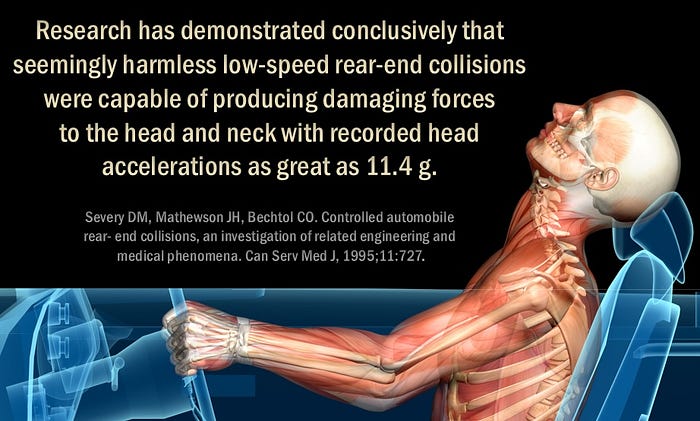
In Colorado Springs, whiplash is relatively common due to activities like skiing, mountain biking, and rugby, as well as frequent snowy and icy road conditions leading to accidents. During a whiplash injury, the head and neck are forced to move rapidly back and forth. Even at speeds as low as 8 mph, this movement can cause the head to shift 18 inches with forces up to 7 G’s. This force transfers energy through the spinal column, leading to overstretching of the spinal cord and shearing of nerve fibers, known as traumatic axonal injury. This mechanical damage triggers a chemical and inflammatory response in the spinal cord, which might be particularly significant for those already susceptible to MS. Beyond spinal cord injury, whiplash can also cause muscle strains, ligament damage, and misalignment of the atlas vertebra, contributing to long-term nervous system damage and recovery issues.

Another compelling link between whiplash and MS involves cerebrospinal fluid (CSF). This fluid cushions the brain and spinal cord and has recently been recognized as part of the Glymphatic System, which is crucial for clearing waste from the brain and spinal cord and working with the brain's immune system. The system primarily functions during sleep, removing cellular debris and distributing biochemical compounds throughout the nervous system. Research indicates that trauma to the cervical spine can alter biological markers in CSF. Rapid pressure changes from whiplash injuries can also physically damage nerve fibers in the spinal cord and brain.
Recent studies using advanced imaging techniques, such as upright functional MRI, have shed light on CSF dynamics and associated diseases. For instance, researchers like Raymond V. Damadian and David Chu discovered that MS patients showed a build-up of CSF in the brain's ventricles. This finding is significant because MS plaques often form near these ventricles. Investigations into patients with similar imaging results revealed that many had experienced neck trauma. Researchers have explored the hypothesis that obstructions in CSF flow could increase pressure in the ventricles and cause fluid leakage into brain tissue, potentially stimulating an immune response that attacks nerve tissue, similar to what occurs in autoimmune conditions like MS.

Could such fluid leakage or blockage provoke an immune reaction that triggers MS symptoms? Could past trauma, such as whiplash, affect the alignment of the upper cervical spine and contribute to CSF flow obstruction? If left uncorrected, could misalignment of the atlas vertebra exacerbate the inflammatory cascade from the trauma, leading to a chronic condition?

Studies suggest that this may indeed be the case. Imaging has shown that when the atlas vertebra shifts, it can compress major venous pathways from the brain. Research also indicates that even minor compressions, like those from surgical procedures, can impact blood flow, highlighting the potential consequences of traumatic injuries like whiplash or concussion.
For the approximately 400,000 individuals with MS in the U.S., this information is both revealing and significant. Previous neck injuries like whiplash can cause misalignments in the atlas vertebra, which may lead to chronic obstruction of blood and spinal fluid flow. This obstruction may contribute to the onset and progression of neurodegenerative diseases like MS. Further research is needed to explore these mechanisms and their implications for brain-related illnesses.

At Balance Chiropractic in Colorado Springs, we have seen positive responses in MS patients through our specialized chiropractic approach known as UCC foundational correction. Using precise testing and digital imaging, we identify and correct upper neck misalignments due to trauma with great accuracy, without twisting or cracking the neck.
While this approach does not cure MS, it aims to relieve chronic pain, migraines, dizziness, brain fog, muscle weakness, and other symptoms associated with the disease, offering patients an alternative to drugs and surgery.


